How Do Doctors Treat Food Poisoning? Medical Care & When Meds Help
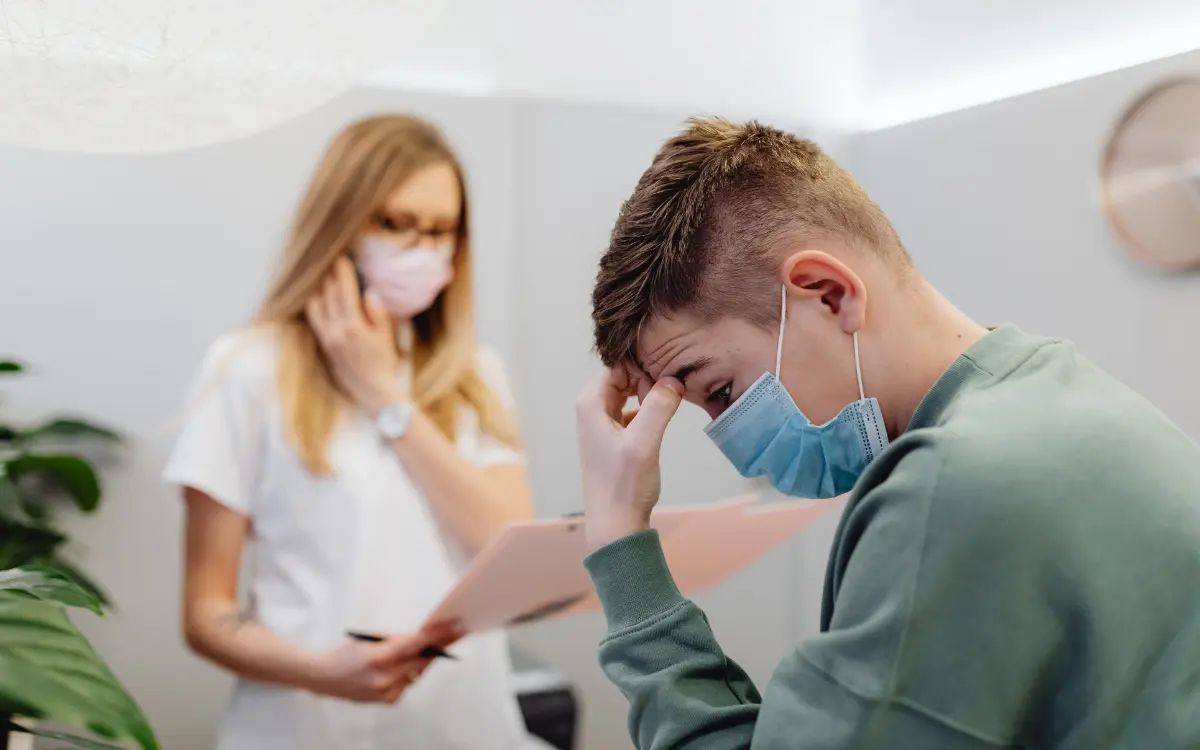
When food poisoning hits hard, it can leave you feeling completely wiped out. Because mild cases usually run their course in a few days, many people try to tough it out at home with rest and water. But what happens when the illness is severe? How do doctors actually treat food poisoning when you walk into a clinic or emergency room?
The short answer is that treatment depends heavily on what made you sick and how dehydrated your body has become. Here is a look at what medical professionals do when treating a serious foodborne illness.
1. The Core Focus: Replacing Fluids and Electrolytes
The biggest danger of food poisoning isn't actually the stomach bug itself—it is dehydration caused by rapid fluid loss from vomiting and diarrhea. When you seek medical care, the primary goal of any doctor or nurse is rehydration:
- Oral Rehydration Solutions (ORS): If you can keep liquids down, doctors often recommend specialized electrolyte solutions (like Pedialyte or medical-grade electrolyte packets) rather than plain water, because they help the body absorb lost salts and minerals much faster.
- Intravenous (IV) Fluids: If your vomiting is so severe that you cannot keep even a single sip of water down, or if you show signs of severe dehydration, doctors will admit you or keep you in urgent care to deliver fluids and electrolytes directly into your bloodstream through an IV. This brings rapid relief and protects your kidneys from damage.
2. Running Tests to Pinpoint the Culprit
Unlike a standard cold, a doctor cannot always guess the exact germ responsible for your food poisoning just by looking at you. To tailor an effective treatment plan, they may run diagnostic tests:
- Stool Culture or PCR Panel: A lab sample of your stool is the gold standard. It allows technicians to look for specific bacterial or viral strains like Salmonella, E. coli, Campylobacter, or parasites.
- Blood Tests: If your illness is extreme, blood work can check for electrolyte imbalances, underlying signs of infection, or kidney stress.
3. Do Doctors Always Prescribe Antibiotics?
A common misconception is that doctors automatically hand out antibiotics whenever someone gets food poisoning. In reality, **antibiotics are not always used**:
- Viral Bugs (like Norovirus): Antibiotics only kill bacteria, meaning they are completely useless against stomach viruses.
- Most Bacterial Infections: For mild bacterial food poisoning, doctors often let your immune system clear the bug naturally, because taking antibiotics too quickly can sometimes cause unwanted side effects or worsen certain strains (such as specific E. coli infections).
- When Antibiotics Are Necessary: If testing confirms a severe bacterial infection (like Listeria or invasive Salmonella), if you are pregnant, or if you have a weakened immune system, doctors will prescribe targeted antibiotics or specialized medications to fight parasites.
4. Managing Symptoms Safely
While recovering, doctors generally advise caution with over-the-counter anti-diarrhea medications (like Imodium or Pepto-Bismol). While helpful for healthy adults in mild scenarios, stopping your body from eliminating toxins can sometimes trap dangerous bacteria or make a serious infection worse. Always consult a medical professional before taking anti-diarrheal drugs if you have a fever or bloody stools.
When to See a Professional Immediately
Do not wait out food poisoning at home if you experience red-flag symptoms such as a high fever (above 102°F), blood in your stool or vomit, inability to keep liquids down for 24 hours, dizziness upon standing, or neurological signs like blurry vision or muscle tingling. Getting medical help early ensures you get the rehydration and treatment you need—and creates official medical records if you need to file a claim.
Suffered severe illness, hospitalization, or medical complications from contaminated food? Request a free, confidential case review with Food Poison Central today to discuss your legal rights and recovery options.