How Long After Eating Does Food Poisoning Actually Start?
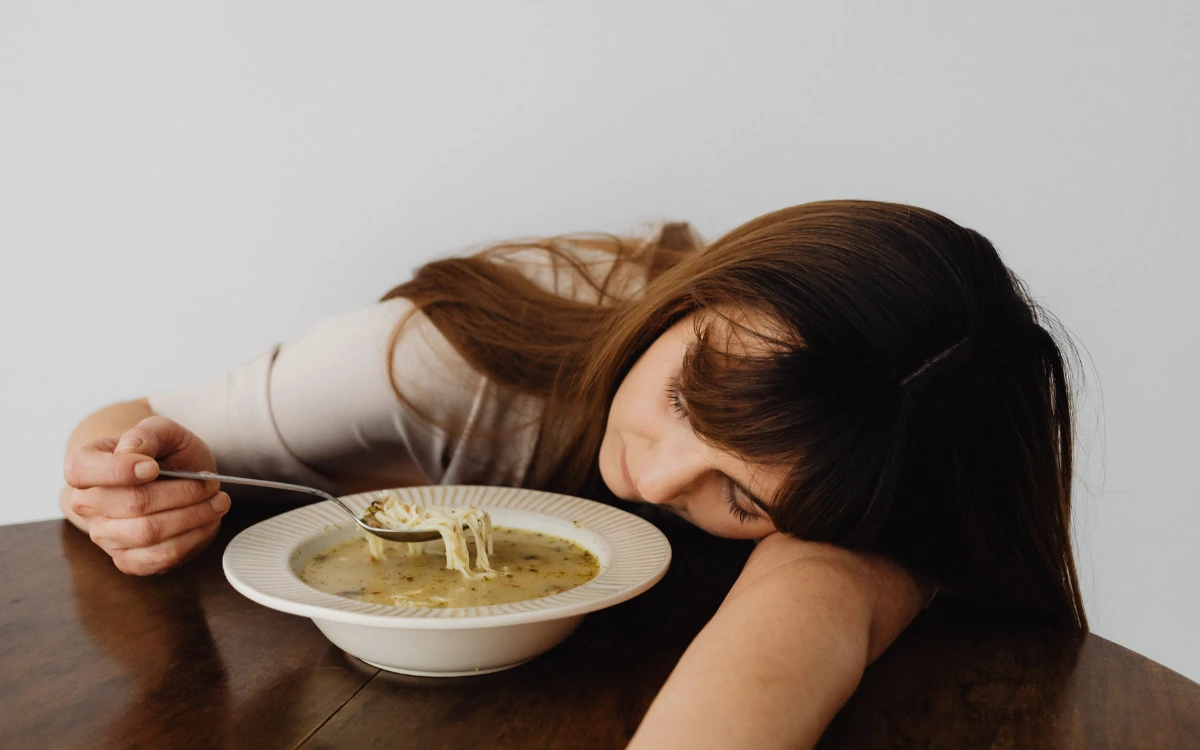
One of the very first questions people ask when they wake up sick is: "What was it that I ate?" Because food poisoning symptoms don't always start right away, figuring out the exact meal that caused your misery can feel like a frustrating guessing game.
The truth is that the incubation period depends almost entirely on the specific pathogen involved.
Incubation Windows by Common Pathogen
Different bacteria and viruses take varying amounts of time to multiply inside your body before making you feel sick:
- Norovirus (Stomach Flu): 12 to 48 hours. This is the common bug that spreads quickly through cruise ships, restaurants, and schools.
- Salmonella: 6 hours to 6 days. Often linked to eggs, poultry, and raw produce.
- E. coli (STEC): 3 to 4 days (with a range of 1 to 10 days). Frequently tied to ground beef and leafy greens.
- Listeria: 1 to 4 weeks (sometimes up to 70 days). Listeria is uniquely slow-acting, making it very hard to trace back to a specific meal without lab testing.
Why Timing Matters for Your Case
Knowing when your symptoms started helps doctors diagnose your illness faster and helps public health investigators link your sickness to a broader regional or national outbreak.
If your symptoms match an active recall or a known multi-state outbreak, documenting the exact timeline of what you ate is vital.
Experiencing severe symptoms after a suspected outbreak? Connect with Food Poison Central to review your case for free.