Salmonella Outbreaks Linked to Broccoli Sprouts: What You Need to Know
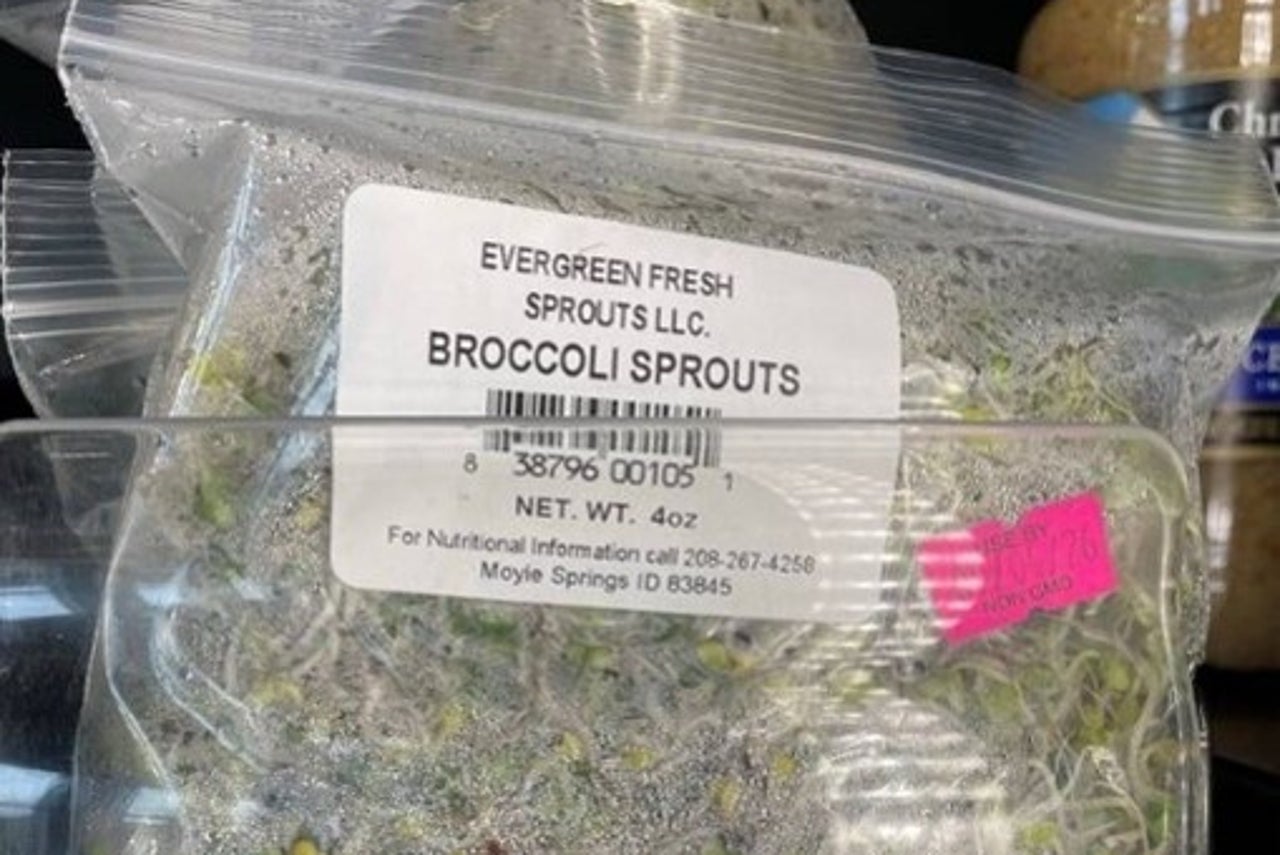
Sprouts are often added to salads, sandwiches, and grain bowls as a healthy, crunchy topping. However, public health officials frequently issue warnings and recalls regarding raw sprouts—including broccoli and alfalfa sprouts—due to dangerous bacterial contamination.
Understanding why raw sprouts carry a high risk of food poisoning can help you decide how to prepare or avoid them safely.
Why Sprouts Are High-Risk
Unlike other vegetables that grow above ground in open sunlight, sprouts require warm, humid, and wet conditions to germinate and grow:
- The Perfect Breeding Ground: The exact conditions required to grow sprouts—warmth and heavy moisture—are also ideal for fast-multiplying bacteria like Salmonella and E. coli.
- Internal Seed Contamination: Bacteria can sometimes hide deep inside the seeds themselves before sprouting even begins, making it impossible to wash away.
- No Cooking Step: Because sprouts are almost always eaten raw, there is no heat kill-step to eliminate bacteria before consumption.
Recognizing Salmonella Symptoms
If you have eaten contaminated sprouts, symptoms typically appear anywhere from 6 hours to 6 days later. They include painful abdominal cramps, fever, and diarrhea.
What to Do with Recalled Sprouts
Check your refrigerator against active federal food recalls. If you have recalled broccoli or alfalfa sprouts, do not eat them—throw them out immediately or return them to the store.
Got sick from contaminated produce or sprouts? Request a free case review with Food Poison Central today.