Seafood Food Poisoning: Recognizing Ciguatera, Scombroid, and Fish Toxins
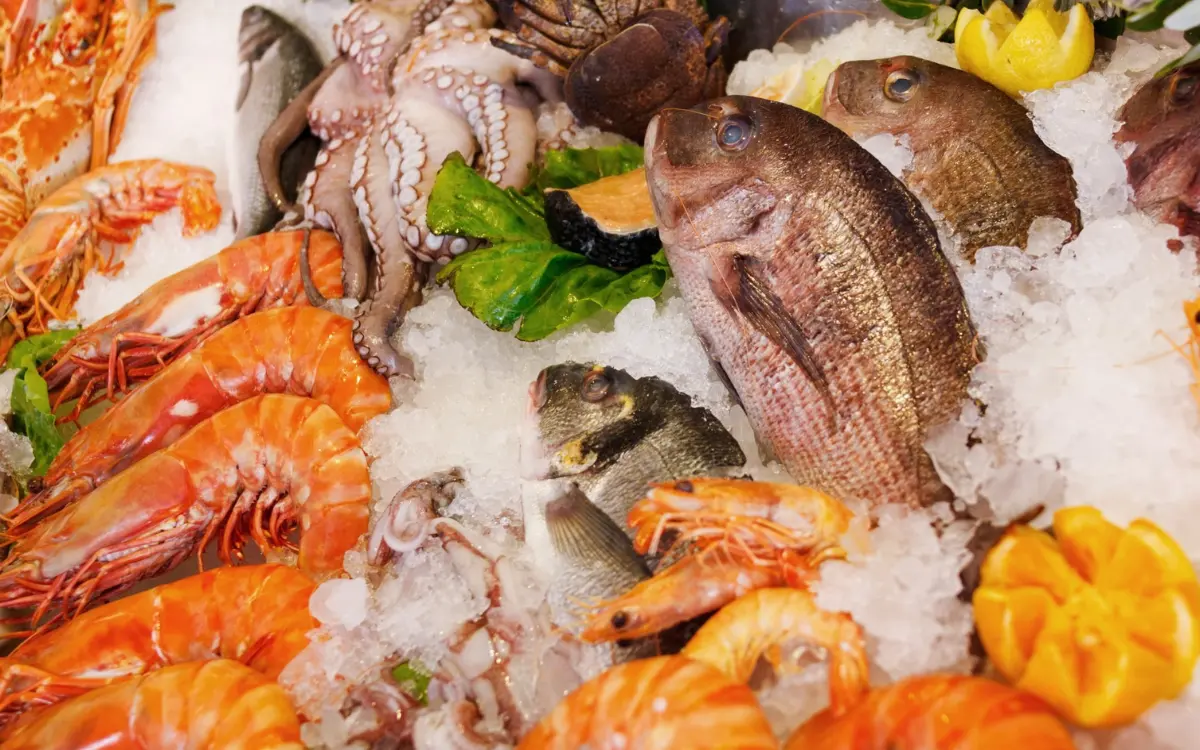
Seafood is often praised as a healthy, lean source of protein. Whether you are enjoying a grilled piece of tuna at a restaurant, fish tacos on vacation, or sushi takeout at home, a fish dinner is usually something to look forward to.
However, fish and shellfish can also carry unique types of food poisoning that behave very differently from standard bacteria like E. coli or Salmonella. Because fish toxins cannot always be seen, smelled, or destroyed by cooking, seafood poisoning can catch people completely by surprise.
Understanding the main types of fish poisoning, how they happen, and what signs to watch for can protect you and your family.
1. Scombroid Poisoning (Histamine Fish Poisoning)
Scombroid poisoning is one of the most common forms of fish-related food illness. It happens when fish belonging to the Scombridae family—such as tuna, mackerel, bonito, and mahi-mahi—are not chilled or refrigerated properly right after being caught.
- How it happens: When fish sits in warm temperatures (above 68°F), natural bacteria break down the fish's flesh and convert a compound called histidine into high levels of histamine.
- The big danger: Histamine is completely heat-stable. Cooking, baking, grilling, or freezing the fish will not destroy the toxin. Furthermore, the fish often looks, smells, and tastes completely normal—though it sometimes has a sharp, peppery, or metallic taste.
- Symptoms to watch for: Scombroid poisoning strikes very quickly, usually within 20 to 60 minutes of eating. Symptoms include a sudden flushing or redness of the face and neck, a throbbing headache, dizziness, hives, itching, and rapid digestive upset. It is frequently mistaken for a severe seafood allergy.
2. Ciguatera Fish Poisoning (Reef Fish Toxin)
Unlike scombroid poisoning, which is caused by improper refrigeration, ciguatera poisoning comes directly from the natural environment. It occurs when humans eat large predatory reef fish—such as barracuda, grouper, snapper, amberjack, and moray eels—that live in tropical or subtropical waters.
- How it happens: Small herbivorous reef fish eat toxic marine algae (dinoflagellates) around coral reefs. Larger carnivorous fish eat those smaller fish, accumulating the concentrated neurotoxin inside their bodies.
- No warning signs: Ciguatoxin has no taste, color, or odor. It cannot be cooked out, frozen away, or neutralized by stomach acid.
- Unique symptoms: Ciguatera symptoms usually start within 1 to 24 hours. Alongside classic stomach issues like nausea, vomiting, and cramps, victims experience strange neurological symptoms. The most famous sign is temperature reversal—where cold water or cold objects feel like they are burning your skin (allodynia), accompanied by tingling in the fingers, toes, and mouth.
3. Tips and Tricks to Avoid Seafood Poisoning
While you cannot always detect natural marine toxins yourself, you can take smart practical steps to minimize your risk when buying and ordering fish:
- Inspect the temperature: When buying fresh fish at a market, make sure it is heavily packed in clean ice and kept at proper refrigeration temperatures. Avoid fish that looks dry, discolored, or smells overly fishy.
- Skip large reef predators: If you are traveling in tropical regions (like the Caribbean or South Pacific), avoid eating large, older reef fish like barracuda or large groupers, which carry the highest ciguatoxin concentration.
- Avoid internal organs: Toxin concentrations are often highest in the head, liver, roe, and intestines of reef fish. Stick strictly to the clean fillets.
- Trust your mouth: If a piece of tuna or mahi-mahi has a sharp, peppery, or burning taste on your tongue, stop eating it immediately. Do not try to mask the flavor with sauces.
When to Seek Emergency Medical Care
Mild scombroid poisoning often passes within 12 hours with the help of antihistamines (like Benadryl). However, severe dehydration from vomiting, breathing difficulties, or neurological warning signs (like extreme weakness or temperature reversal from ciguatera) require immediate emergency room evaluation.
If you bought contaminated fish from a restaurant, grocery store, or market, save your receipt and report the illness to your local health department so they can trace the batch.
Got sick from bad seafood or a restaurant meal? Request a free, confidential case review with Food Poison Central today and let our legal experts evaluate your options.