What Is HUS? The Dangerous Kidney Complication from E. Coli
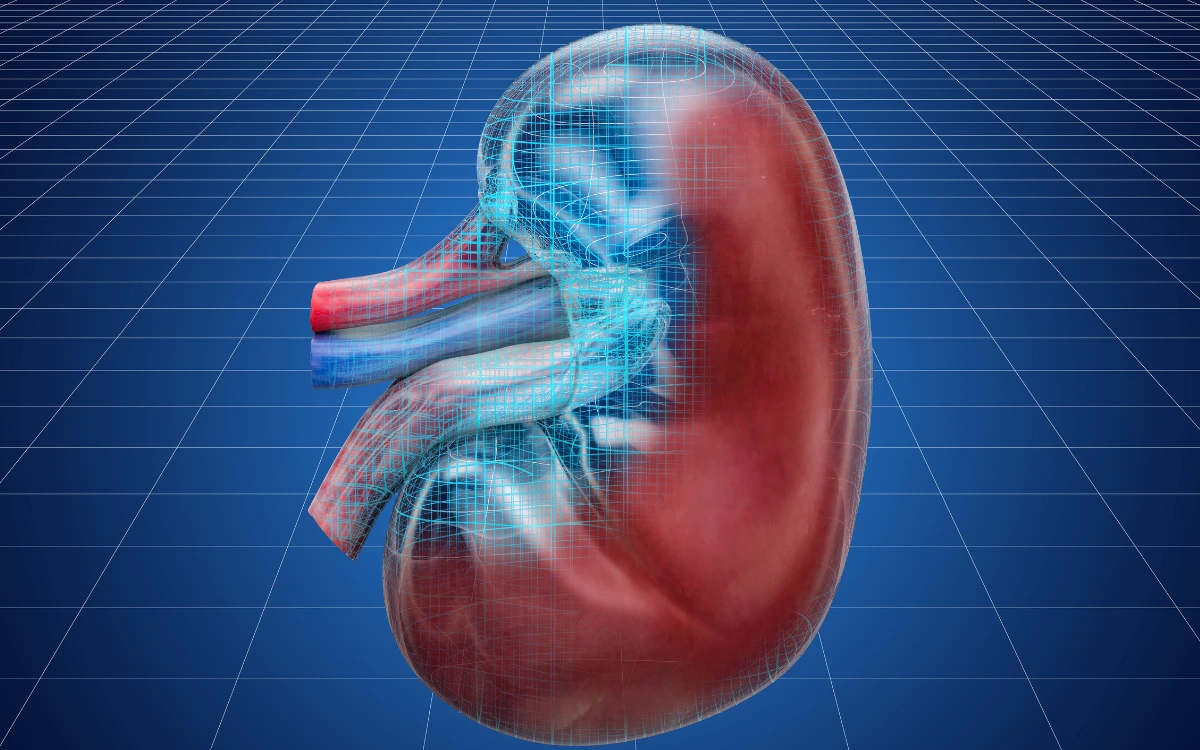
When people talk about food poisoning, they usually mention a miserable couple of days spent in bed with cramps and nausea. But for certain strains of foodborne bacteria—most notably Shiga toxin-producing E. coli—the illness can evolve into a medical emergency known as Hemolytic Uremic Syndrome (HUS).
Understanding HUS is critical because it represents one of the most severe, life-threatening complications of contaminated food.
What Happens During HUS?
HUS is a type of kidney failure caused when toxins released by bacteria destroy red blood cells and damage the lining of small blood vessels in the body:
- Clogged Kidneys: Damaged red blood cells can clog the filtering system in the kidneys, leading to sudden kidney failure.
- Vulnerable Groups: While anyone can develop HUS, young children under the age of 5 and older adults face the highest risk.
Warning Signs That Require Immediate ER Care
If someone sick with E. coli starts showing the following signs, it can indicate that HUS is developing:
- A sharp decrease in urination or stopping urinating altogether
- Extreme paleness, fatigue, or lethargy
- Unexplained bruising or tiny red dots on the skin
- Dizziness or confusion
Long-Term Health Impacts
Survivors of HUS often face long-term medical challenges, including chronic kidney disease, high blood pressure, or the need for ongoing dialysis. Managing these medical conditions can result in staggering financial costs for families.
If your child or family member suffered HUS or severe kidney damage from an E. coli outbreak, you need experienced legal support. Connect with Food Poison Central today for a free case evaluation.